
Thrift store shopping has had a spectacular image transformation. Once considered an activity of necessity, thrifting is now celebrated as a smart, sustainable, and genuinely exciting way to build a unique wardrobe. Celebrities, influencers, and fashion editors openly discuss their thrift store finds, and platforms like Depop and Poshmark have made secondhand shopping a mainstream cultural practice.
But thrifting isn’t just trendy — it’s genuinely effective. The best-dressed people often cite thrift stores as one of their primary shopping destinations, and for good reason: the right piece, found at the right time, can transform your wardrobe for a fraction of the retail price.
This guide will help you thrift smarter, shop more intentionally, and discover the hidden gems that make secondhand shopping so uniquely rewarding.
Why Thrift Store Shopping Is Worth Your Time
Before we get into tactics, let’s be clear about what makes thrifting genuinely valuable:
Environmental impact: Every secondhand purchase extends the life of an existing garment, reduces demand for new production, and diverts clothing from landfill. For more on this, see our guide on sustainable fashion tips.
Unique finds: Thrift stores carry items you simply cannot find in contemporary retail. Vintage pieces, discontinued designs, and one-of-a-kind items give your wardrobe a distinctive quality that mass-produced fashion can’t replicate.
Budget savings: A great quality piece from a thrift store might cost $5-15 versus $100+ new. For quality fabrics and construction, this gap is even more dramatic.
The hunt: There’s a genuine thrill to discovering something exceptional among racks of ordinary items. Thrifters often describe finding the perfect piece as uniquely satisfying.
Types of Secondhand Shopping Destinations
Not all secondhand stores are the same, and knowing the difference helps you shop strategically:
Traditional Charity Shops and Thrift Stores Organizations like Goodwill, Salvation Army, and local charity shops sell donated clothing with proceeds going to charitable causes. These are the classic thrifting experience — unpredictable, sometimes overwhelming, but capable of incredible finds.
Consignment Stores These are curated secondhand shops where sellers receive a percentage of the sale price. The quality and selection tends to be higher than standard charity shops, but prices are also higher.
Vintage Stores Specializing in clothing from specific eras, vintage stores are curated and typically priced to reflect the value of genuine vintage pieces. Higher prices are offset by guaranteed quality and provenance.
Online Secondhand Platforms Depop, Poshmark, ThredUp, eBay, and Vinted allow you to shop secondhand with the convenience of filtering by size, color, brand, and style. Excellent for finding specific items; less good for the serendipitous discovery.
Estate Sales and Car Boot Sales Estate sales can yield extraordinary vintage finds, particularly jewelry and accessories. Worth attending if you live near areas where estate sales are common.
Before You Go: Thrifting Preparation
The most successful thrifters don’t wander in hoping for the best — they prepare.
Know your measurements: Thrift store items rarely have consistent sizing. Knowing your actual measurements (bust, waist, hips, inseam, etc.) helps you evaluate fit regardless of the tag size.
Identify your gaps: Before your trip, review your wardrobe and identify specific gaps. Looking for a great blazer? A particular color of knitwear? A cocktail dress? Having targets helps you stay focused.
Wear easy-to-remove clothing: You’ll likely be trying things on frequently in potentially crowded fitting rooms. Simple, easily removed clothing makes this much more comfortable.
Bring a tote bag: Many thrift stores charge for bags. Bring your own to make carrying finds easier.
Check store schedules: Many thrift stores receive new donations on specific days (often mid-week) and put them on the floor after sorting. Ask staff about restocking schedules and try to visit on those days.
How to Actually Shop a Thrift Store
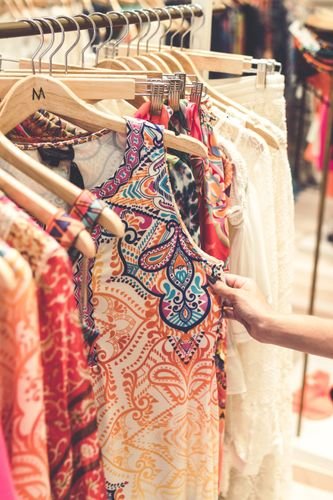
Walking into a large thrift store can be overwhelming. Here’s a systematic approach:
Step 1: Do a Quick Lap First
Before pulling anything out, walk the entire store to get a sense of the layout and what’s available. This prevents you from getting bogged down early and missing better sections.
Step 2: Work Section by Section
Approach the store systematically rather than randomly:
- Scan quickly for color and silhouette — your eye will catch interesting pieces even from a distance
- Look for quality fabrics: silk has a distinctive sheen, wool has weight, linen has texture
- Don’t overlook the men’s section: oversized blazers, vintage tees, and shirts from the menswear section often yield excellent finds for women
Step 3: Always Check the Label
When something catches your eye, always check:
- The brand: Known quality brands are worth examining more carefully
- The fabric content: Natural fibers (wool, silk, linen, cotton) are generally worth more and last longer
- The origin: “Made in Italy” or “Made in USA” tags on older pieces often indicate higher quality
Step 4: Assess Condition Carefully
Examine every item thoroughly:
- Check for stains, looking at underarms, collar, and cuffs especially
- Feel for thinning fabric or pilling
- Test zippers, buttons, and closures
- Look at seams — are they intact and evenly sewn?
- Check hems for unraveling or uneven alterations
Some issues can be repaired or tailored; others make an item genuinely unwearable.
What to Look For: The Best Thrift Store Categories
Blazers and Structured Jackets Quality blazers are the best thrift store finds. A wool or silk-lined blazer from a quality brand, even decades old, retains its elegance indefinitely. Check the lining, feel the fabric weight, and examine the stitching.
Wool and Cashmere Knitwear 100% wool and cashmere pieces are extraordinary thrift store finds. Check for pilling (slight pilling can sometimes be removed with a fabric shaver) and moths holes. Quality knitwear from past decades is often far superior to what’s made today.
Silk Blouses and Dresses Real silk is recognizable by its feel, sheen, and the way it flows. Check the label carefully — “100% silk” is a different product from “silky polyester.” Vintage silk blouses can be among the most elegant pieces in your wardrobe.
Denim Vintage Levi’s, Lee, and Wrangler denim is genuinely valuable and sought-after. Quality vintage denim often has a character that new denim simply can’t replicate.
Leather Goods Leather jackets, bags, belts, and shoes can be exceptional thrift store finds. Real leather improves with age and conditioning; look for the texture and smell to verify authenticity.
How to Style Thrift Store Finds
Building a wardrobe with thrift store pieces requires thinking about integration:
-
Mix new and old: The best-dressed thrifters pair secondhand finds with contemporary basics. A vintage blazer over a simple modern tee, or a thrifted silk blouse with contemporary jeans, creates interesting contrast.
-
Tailor what needs it: Don’t reject a piece just because the fit isn’t perfect. A tailor can transform a slightly off item into a perfect one for $20-40.
-
Lean into the unique: The pieces that stand out in a thrift store are usually the ones that have a distinctive quality unavailable in contemporary retail. Celebrate those finds.
For budget-friendly fashion tips that go beyond thrifting, our guide on budget fashion tips how to look stylish on a budget covers additional strategies for building a great wardrobe without spending a fortune.
Online Thrifting: Platforms to Know
For specific items, online secondhand platforms can be more efficient than in-person thrifting:
- Depop: Great for unique, vintage, and trend-led pieces. Strong community of individual sellers.
- Poshmark: Wide range of brands and styles, good for everyday items.
- ThredUp: Curated, quality-controlled secondhand clothing. Less hunting, more reliability.
- Vinted: European-focused, growing fast. Strong for brand-name basics.
- eBay: Enormous inventory. Best for searching specific items, brands, or vintage pieces.
Quick Tips: The Thrifter’s Cheat Sheet
- Visit on restocking days for the freshest inventory
- Check the men’s section for great oversized pieces
- Always look at fabric labels — natural fibers are worth more
- Examine items thoroughly under good lighting before buying
- Think integration: how does this work with what I already own?
- Don’t let price distort your judgment — only buy what you’d want at full price
- The best thrift stores are in affluent neighborhoods (better donations)
Thrift shopping rewards patience, curiosity, and a willingness to see potential. The more you do it, the better your eye becomes — and the more extraordinary your wardrobe will be.